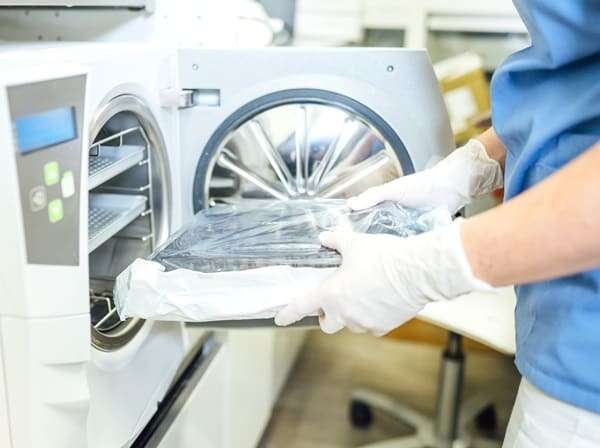
Medical devices testing is essential for these products to reach the market with a guarantee of safety, effectiveness and reliability.
Medical devices, both reusable and non-reusable, have become an essential part of healthcare as they assist in diagnosing and treating various ailments. However, before these products can be marketed, they must undergo rigorous testing to ensure their safety, effectiveness, and reliability. Manufacturers must meet regulatory requirements to produce high-quality medical devices that are safe and effective for both patients and healthcare professionals. Here are some medical devices testing methods and their importance in ensuring that the product is ready for use.
Usability Testing
Usability testing assesses how usable and efficient devices are for healthcare professionals. This selection of tests considers aspects such as patient safety, design and engineering, ease of use, and effectiveness. Manufacturers can conduct usability testing in a simulated environment to identify user issues and gather feedback before launching the device to the market. This way, you can ensure that your product is as easy to use as possible and more likely to be effective in a real-use environment.
Material Compatibility Testing
Material compatibility testing is especially important for reusable medical devices, as these devices will be used repeatedly and manufacturers need to establish a safe shelf life. Reusable devices require material and system control testing to ensure that the device and the materials it is made of are compatible with various sterilization and cleaning methods specified on the device labels.
These tests involve subjecting the device to multiple cycles of repeated exposure to cleaning and sterilization processes considering quality standards like ISO 11138 or USP [1229 .5], among others. At time intervals, devices will be evaluated for degradation. Functionality tests involve activating the device and evaluating its features (physical, electrical, etc.) after exposure to these processes. It is essential that healthcare professionals use devices that are functioning properly, whether they are brand new or have been used multiple times.
Biocompatibility Testing
For many medical devices, certain evaluations and treatments require taking samples of the device material and observing whether that material composition will cause a reaction within the body. Biocompatibility testing ensures that medical devices are safe for use in contact with the human body. Tests such as cytotoxicity, sensitization, and intracutaneous reactivity ensure that medical devices do not cause harmful biological reactions when in contact with body tissues.
Medical Device Sterilization Efficacy Testing
With medical devices testing, it must also be demonstrated that they can be properly sterilized between uses and that the necessary level of sterility assurance is reached. Sterilization is crucial to ensure the safety of medical devices and prevent infections. Depending on the type of device, manufacturers use different sterilization methods, including ethylene oxide, steam, and hydrogen peroxide.
Sterilization can be performed using low-temperature methods (hydrogen peroxide or ethylene oxide) that use sterilant penetration to kill microorganisms, or high-temperature methods (steam) that use steam penetration. However, each method will not be compatible with every device. Device manufacturers will be responsible for choosing and validating a sterilization method that is compatible with the design and material composition of their device.
By testing these products, medical companies will reduce the risks associated with their devices and improve their safety parameters. It is very important to work with a reliable medical devices testing laboratory to ensure that all possible information is obtained before market release.
At MCI, we work with hundreds of manufacturers and provide a range of services designed to obtain useful data. Contact us today to learn how we can help you with your product development.